Beauty Services for Limited Mobility: Your 2026 Guide
TL;DR:Mobile beauty services for limited mobility bring accessible treatments directly to clients’ homes using specialized equipment and clinical training. These providers focus on safety, comfort, and adaptability to meet unique physical needs, including consultations for preparing home environments. Costs range from $30 to $90 per session, depending on the service and travel distance, with credentials like MNT preferred for clinical expertise.
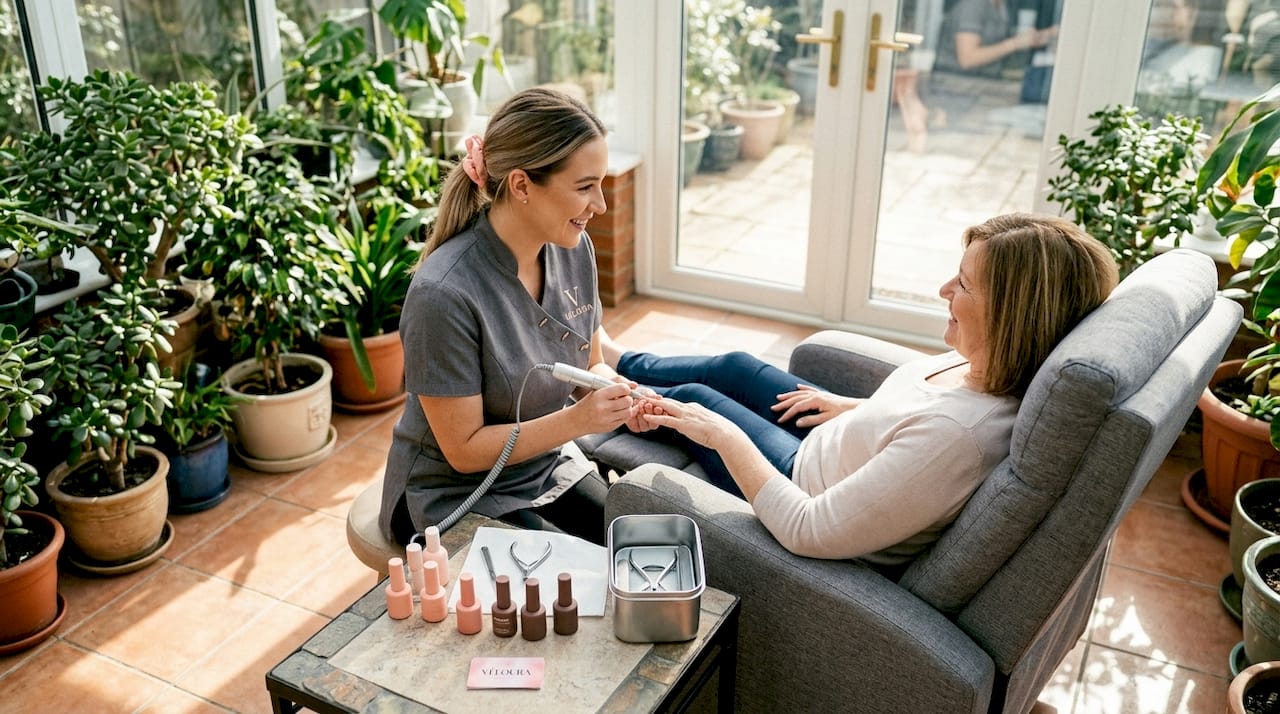
Beauty services for limited mobility are mobile, accessibility-focused treatments delivered directly to clients who cannot easily visit traditional salons. These services cover hair, nails, makeup, medical pedicures, and skincare, all adapted to accommodate physical limitations with specialized equipment, clinical training, and dignity-centered care. VÉLOURA Beauty On Demand connects clients in Los Angeles, New York City, and Miami with licensed professionals who bring the full salon experience to your home, hotel, or care facility. No commute. No transfers. Just expert care on your terms.
1. What makes beauty services truly mobility-friendly?
Mobility-friendly beauty, the industry’s preferred term for accessibility-focused personal care, goes far beyond a professional showing up at your door. The setup, equipment, and clinical knowledge all matter as much as the service itself.
Wheelchair-accessible setups eliminate the need for transfers, which are one of the most common sources of injury and discomfort during salon visits. A qualified mobile provider brings adjustable equipment that works around your position, whether you are seated, reclined, or bedridden.
Key features that separate a truly accessible provider from a standard mobile stylist include:
- Specialized washing equipment: Hair funnels and mobile sterile kits allow professionals to wash and treat hair for clients who cannot sit at a sink or lean back safely.
- Sensory and motor accommodations: Providers trained in sensory disorders adjust pressure, pace, and product choices to prevent discomfort.
- Ergonomic workspace setup: Chair height, lighting, and power access are all configured before the session begins.
- Hygiene protocols: Mobile sterile kits and single-use tools meet clinical hygiene standards, especially for clients with compromised immune systems.
- Integration with care systems: Some providers coordinate directly with home health aides or family caregivers to align the beauty session with the client’s broader care schedule.
Pro Tip: Ask your provider whether they carry a mobile sterile kit and whether their equipment accommodates your specific seating or positioning needs before you book. This one question filters out providers who lack genuine accessibility training.
2. Top mobile beauty services for clients with limited mobility
The range of accessible beauty treatments available through mobile providers has expanded significantly. Here is what each category offers and what to expect.
Hair services
Mobile haircuts, color, perms, and blowouts are among the most requested services. Providers bring all tools, including portable shampoo bowls and hair funnels for clients who cannot use a standard sink. Color and highlight services require adequate ventilation, so communicate your home’s layout in advance.
Medical-grade pedicures and foot care
Medical Nail Technicians hold clinical credentials, such as MNT or CCPMA certifications, that allow them to treat conditions like thickened nails, calluses, and diabetic foot concerns safely. This level of care goes well beyond what a standard nail salon offers. For clients with diabetes or circulatory conditions, this distinction is not cosmetic. It is a clinical necessity.
Professional makeup
Mobile makeup sessions typically run 60–90 minutes and require a clean, well-lit space. Many providers include a consultation before the session to discuss skin sensitivities, preferred looks, and any motor limitations that affect application technique. Travel fees often apply beyond a 10-mile radius.
Nail care
Gentle manicures and pedicures adapted for clients with limited grip or hand tremors use lighter pressure, ergonomic tools, and shorter session formats. Providers experienced with motor limitations adjust their technique to avoid joint strain.
Facials and skincare
Mobile facials bring professional-grade products and equipment directly to you. Providers adapt positioning for clients who cannot lie flat, using inclined seating or pillow supports to keep the session comfortable and effective.
Massage therapy
Seated and adapted massage services address muscle tension common in clients with limited mobility. Providers trained in adaptive bodywork modify strokes and pressure to work safely around mobility aids, prosthetics, or sensitive areas.
Pro Tip: For makeup or facial services, set up near a window or invest in a daylight bulb. Natural or daylight-spectrum lighting gives your provider the best visibility and produces the most accurate color results.
3. How to prepare your home for a mobile beauty session
Home setup directly affects the quality and safety of your session. A well-prepared space lets your provider focus entirely on the service rather than working around obstacles.
- Secure adequate lighting. Position a lamp or move near a window. Poor lighting increases the risk of uneven color application or missed nail detail.
- Check electrical access. Hair dryers, steamers, and nail lamps all require power. Identify the nearest outlet and clear a path to it before your provider arrives.
- Prepare stable seating. A chair with armrests and firm back support works best for most services. If you use a wheelchair, confirm with your provider that their equipment is compatible with your chair’s dimensions.
- Clear a 6-foot work radius. Providers need room to set down their kit, move around you, and access both sides of your head or hands without stepping over furniture.
- Complete a pre-session consultation. Share any medical conditions, skin sensitivities, or positioning limitations before the appointment. Proactive communication about your needs before booking improves service success and prevents last-minute adjustments.
- Confirm cancellation policies in advance. Most mobile providers require 24–48 hours’ notice for cancellations. Knowing this upfront protects you from unexpected fees.
4. Cost considerations and booking tips
Specialized mobile beauty services for limited mobility clients typically cost $30–$55 for haircuts and up to $90 per hour for complex treatments. Those fees reflect clinical training, travel time of up to one hour, and sterile equipment. That is a meaningful premium over standard mobile beauty, and it is justified by the level of care involved.
Travel fees add to the base cost, particularly for clients outside a provider’s standard service radius. Budget for this separately.
| Service type | Typical price range | Notes |
|---|---|---|
| Haircut (mobile, accessible) | $30–$55 | Includes travel and sterile kit |
| Complex treatments (color, perms) | Up to $90/hour | Requires ventilation and setup time |
| Medical pedicure | Varies by provider | Clinical credentials required |
| Mobile makeup session | Varies by provider | Travel fee may apply beyond 10 miles |
When booking, prioritize providers who list their credentials openly. Certifications like MNT or CCPMA signal clinical training that standard cosmetology licenses do not cover. Read client reviews specifically from people with similar mobility needs, not just general satisfaction scores.
Pro Tip: Bundle services in a single visit when possible. Combining a haircut and a manicure in one session reduces total travel fees and minimizes the physical effort of preparing your space twice.
5. How to choose the right mobile beauty provider
Selecting the right provider for specialized beauty services requires more than checking availability and price. The right questions before booking protect your safety and your experience.
Look for these qualifications and practices:
- Clinical certifications: Credentials like MNT (Medical Nail Technician) or CCPMA indicate training in clinical foot care and adaptive techniques beyond standard cosmetology.
- Experience with specific conditions: Ask directly whether the provider has worked with clients who have your condition, whether that is Parkinson’s, MS, post-stroke limitations, or sensory processing differences.
- Accessible equipment inventory: Confirm the provider carries hair funnels, portable shampoo bowls, or other adaptive tools relevant to your needs.
- Clear communication practices: Providers who ask detailed intake questions before booking are more likely to deliver a session that actually fits your needs.
- Verified reviews from similar clients: Look for testimonials that mention mobility accommodations, not just general praise for the service quality.
Accessibility in beauty is best understood as universal ease-of-use rather than a niche accommodation. The best providers design their entire service model around this principle. That mindset shows up in how they communicate, what equipment they carry, and how they handle unexpected challenges during a session.
Key takeaways
Mobile beauty services for limited mobility clients deliver the best outcomes when providers combine clinical credentials, accessible equipment, and a well-prepared home environment.
| Point | Details |
|---|---|
| Clinical credentials matter | Look for MNT or CCPMA certifications, not just standard cosmetology licenses. |
| Accessible equipment is non-negotiable | Hair funnels, sterile kits, and wheelchair-compatible setups define a truly mobility-friendly provider. |
| Home setup affects service quality | Lighting, stable seating, and clear workspace directly impact safety and results. |
| Costs reflect specialized training | Expect $30–$90 per session, with travel fees added for clients outside the service radius. |
| Communication before booking is critical | Share your specific needs and conditions before the appointment to prevent last-minute adjustments. |
What we’ve learned from serving clients with limited mobility
The beauty industry has historically treated accessibility as an afterthought. Most salons were designed for clients who can walk in, sit at a standard chair, and leave without assistance. That design assumption excludes a large and underserved group of people who deserve the same quality of care as anyone else.
What we have seen at VÉLOURA Beauty On Demand is that the gap is not primarily about products. Adaptive tools like suction-cup mirrors and extended-handle brushes help clients reclaim their routines. Small ergonomic adjustments often deliver more value than complex specialized devices. The real gap is in provider training and mindset.
The professionals who do this work well share one trait: they treat the session as a care experience, not just a transaction. They ask questions. They adjust without being asked. They understand that for many clients, a professional beauty service is one of the few moments in the week that feels entirely theirs.
The industry is moving in the right direction. More providers are pursuing clinical credentials. More platforms are building booking systems that accommodate specific physical needs. The clients who benefit most are those who know what to ask for and where to find it.
— VÉLOURA
VÉLOURA Beauty On Demand: accessible care, delivered to you
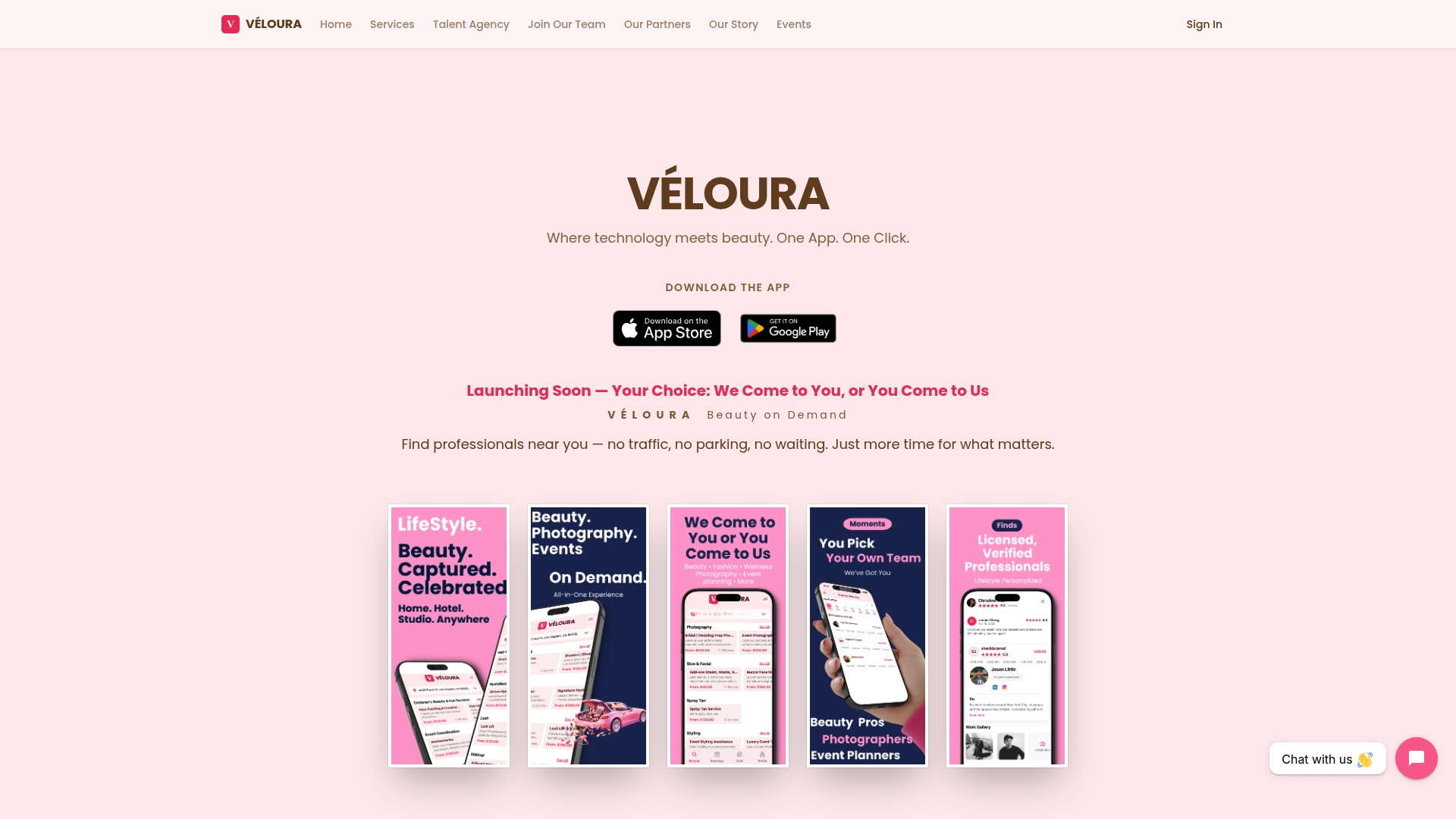
VÉLOURA Beauty On Demand connects you with licensed, vetted professionals who specialize in home beauty services for clients with limited mobility. Every provider on the platform is background-checked, credentialed, and experienced in adaptive care. Book hair, nails, makeup, lashes, or skincare through the VÉLOURA app, and a professional comes directly to your home, hotel, or care facility. No waiting rooms. No transfers. No compromises on quality. Browse available services near you and schedule at a time that works for your routine.
FAQ
What are beauty services for limited mobility?
Beauty services for limited mobility are professional hair, nail, makeup, and skincare treatments adapted for clients who cannot easily access traditional salons, delivered at home or another chosen location by trained mobile providers.
How much do mobile beauty services for limited mobility cost?
Prices typically range from $30–$55 for haircuts and up to $90 per hour for complex treatments, with additional travel fees that vary by distance and provider.
What credentials should I look for in a mobile beauty provider?
Look for certifications like MNT (Medical Nail Technician) or CCPMA, which indicate clinical training in adaptive care beyond standard cosmetology licensing.
How do I prepare my home for a mobile beauty session?
Clear a 6-foot work radius, secure good lighting, identify a nearby electrical outlet, and complete a pre-session consultation to share any medical conditions or positioning needs.
Can mobile beauty providers work with bedridden clients?
Yes. Providers trained in adaptive techniques use equipment like hair funnels and mobile sterile kits specifically designed for clients who are bedridden or cannot sit upright.
Recommended

Comments ()