Five Dignity First Rituals to Look Your Best While Recovering at Home
Looking your best while recovering at home comes down to five things: gentle, fragrance-free skin care; a few adaptive clothing swaps; simple grooming shortcuts for hair and makeup; small changes to your space that support healing; and vetted in-home help when you want it. Always follow your care team’s instructions on wounds, dressings, and activity first. Everything else here builds around that.
TL;DR:Fragrance-free skincare, simple grooming routines, and adaptive clothing are essential to support healing without overtaxing energy levels.Clothing should prioritize protection and ease of dressing, with front-open tops and slip-on shoes that accommodate limited movement and swelling.Small home environment modifications like decluttering, natural light, and accessible safety features promote safety and comfort during recovery.Use lightweight, quick-to-apply makeup and keep essential grooming tools within reach to maintain a sense of normalcy with minimal effort.Licensed, vetted professionals can provide safe, personalized in-home beauty services that respect healing needs and activity restrictions.
Table of Contents
- Building a Daily Recovery Grooming Routine for Skin, Hair, and Makeup
- Choosing Adaptive Clothing and Footwear That Protect and Flatter
- Setting Up a Healing Home Environment That Still Feels Like You
- Low-Effort Grooming Tools Worth Keeping Within Reach
- When Should You Bring in an In-Home Beauty Professional?
- Where to Find Free Beauty Programs and Community Support
- Why We Believe Beauty Is Part of Recovery, Not Separate From It
- Bring Vetted Beauty Help Straight to Your Recovery Space
- Sources
- FAQ
Building a Daily Recovery Grooming Routine for Skin, Hair, and Makeup
Recovery isn’t the time for a ten-step regimen, and it doesn’t need to be. Your skin is likely more reactive right now, especially if you’re going through chemotherapy or radiation, so simpler almost always performs better.
Start with a fragrance-free cleanser and a rich, emollient moisturizer. Skip anything with alcohol, retinoids, or exfoliating acids unless your oncology team has cleared them. If you’re allowed sun exposure around dressings, a mineral sunscreen (zinc oxide or titanium dioxide) is gentler on compromised skin than a chemical formula.
Hair care during treatment often means adapting rather than styling. Dry shampoo extends the life of a wash you don’t have energy for. If you’re experiencing thinning or hair loss, a soft cotton headwrap takes under a minute to tie and covers more ground, literally and emotionally, than most people expect.
For makeup, aim for coverage that frames rather than masks. A tinted moisturizer or BB cream evens tone without feeling heavy. Concealer belongs under the eyes and around the nose, where fatigue shows first. Filling in brows, especially if you’ve lost them, restores facial structure faster than almost any other single step. A tinted lip balm finishes the look and keeps lips from drying out.
- Full routine (about 15 minutes): cleanse, moisturize, dry shampoo or headwrap, tinted moisturizer, concealer, brow fill, lip balm.
- Refresh routine (about 3 minutes): moisturizer, headwrap or quick brush-through, concealer where you need it, lip balm.
Partner resource Luméra Cosmetica walks through a similarly lightweight makeup approach that works well on sensitive, treatment-affected skin.
Pro Tip: Keep your 3-minute kit in a small pouch by your bed. On low-energy days, you won’t have to think, just reach.
Choosing Adaptive Clothing and Footwear That Protect and Flatter
The right clothing does two jobs at once: it protects healing tissue and it helps you feel like yourself. After shoulder, chest, or abdominal procedures, the wrong garment can mean real pain, not just discomfort.
- Front-opening tops with snaps, magnets, or wrap closures avoid raising your arms overhead, which matters most after chest or shoulder surgery.
- Pull-on pants with wide, adjustable waistbands sit comfortably below or above an abdominal incision without a tight waistband digging in.
- Slip-on shoes or ones with hook-and-loop straps beat laces every time when bending is painful; sizing up half a size accommodates swelling.
- Non-slip soles matter more than usual, since balance and reflexes are often slower during recovery.
- Soft, breathable fabrics like cotton, linen, or modal reduce irritation, and any garment should have seams positioned away from incision lines.
One detail worth planning ahead: buy and wash your recovery clothing before you actually need it, ideally the week before a scheduled procedure. As Outfit Forecast points out, shopping for your hardest week, not your average one, avoids a scramble when you’re least able to handle it.
Setting Up a Healing Home Environment That Still Feels Like You
A recovery space doesn’t have to look clinical to function well. The two goals, safety and comfort, usually point to the same changes.
- Clear the paths. Loose rugs, trailing cords, and cluttered walkways are the leading hazards in a home recovery setup; move frequently used items to waist height so you’re not bending or reaching overhead.
- Let in natural light. Rooms with daylight and soft textures like cotton or linen throws measurably ease physical strain and stress during recovery, according to guidance from the University of Minnesota’s Taking Charge of Your Health & Wellbeing program.
- Declutter and soften the palette. Breastcancer recommends calming colors, layered lighting, and low-maintenance plants as part of a simple wellness mini-makeover that lowers stress without a full renovation.
- Adapt the bedroom and bathroom. A bedside organizer within arm’s reach, non-slip bath mats, and a plush robe by the shower cut down on unnecessary movement.
- Choose dignified, not medical-looking, safety features. Grab bars now come in brushed finishes that match bathroom hardware, and storage bins can hide supplies without broadcasting them.
Low-Effort Grooming Tools Worth Keeping Within Reach
The best recovery tools are the ones that remove a step entirely, not the ones that add another.
- Slip-on shoes and hook-and-loop sneakers save you from bending to tie laces.
- A long-handled shoehorn or dressing stick helps with socks and pants without twisting at the waist.
- Magnetic-closure tops and a soft, towel-lined robe make dressing and early showers far less painful.
- A basic recovery kit, fragrance-free cleanser, dry shampoo, a soft brush, tinted moisturizer, and lip balm, covers most grooming needs in one small bag.
Pro Tip: Store your recovery kit in the room where you spend the most time, not in a bathroom cabinet across the house. Fewer steps means you’ll actually use it.
When Should You Bring in an In-Home Beauty Professional?
In-home visits solve a real problem: getting styled shouldn’t require the energy of getting somewhere. No travel, no waiting room, no exposure to crowds when your immune system needs protecting, just privacy and one-on-one attention where you already are.
Before booking anyone, ask a few direct questions:
- Is the professional licensed and background-checked?
- What infection-control practices do they follow for clients in active treatment?
- Have they worked with recovery or oncology clients before?
- How long will the appointment run, and can it pause if you need rest?
Prepare a small, well-lit space with a comfortable chair, and always confirm with your medical provider before scheduling anything cosmetic, particularly around fresh incisions or ports. VÉLOURA Beauty On Demand’s senior-care services and in-home hair care guidance were built around exactly this kind of mobility-aware, at-home appointment.
Where to Find Free Beauty Programs and Community Support
You don’t have to pay out of pocket to access real help. Look Good Feel Better offers free workshops, both online and in person, that teach practical techniques for skin changes, hair loss, and makeup during cancer treatment.
- Ask your hospital’s social worker or patient navigator about free beauty boxes or workshop schedules.
- Many cancer centers partner with local salons or volunteer stylists for on-site or virtual sessions.
- If transportation is the barrier, ask specifically about transportation assistance. Many programs have it but don’t advertise it widely.
Why We Believe Beauty Is Part of Recovery, Not Separate From It
A fresh headwrap, a filled-in brow, a robe that actually feels good against healing skin. These aren’t vanity. They’re small, repeatable acts of dignity, and research on self-care in recovery backs up what most patients already sense: consistent, low-effort rituals support real emotional recovery. That belief is exactly why VÉLOURA Care exists, and why we built it around bringing licensed, vetted professionals to people wherever they’re healing. Pick one small ritual. Repeat it daily. That’s enough.
— VÉLOURA Beauty On Demand
Bring Vetted Beauty Help Straight to Your Recovery Space
You’ve got other options, a friend who does hair, a salon that might do house calls if you ask nicely, or simply going without until you feel stronger. This service offers a faster, more dependable path: licensed, background-checked professionals booked straight through an app, arriving at your home ready to work around your energy level and your care team’s guidelines, with payment and scheduling handled entirely on the platform.
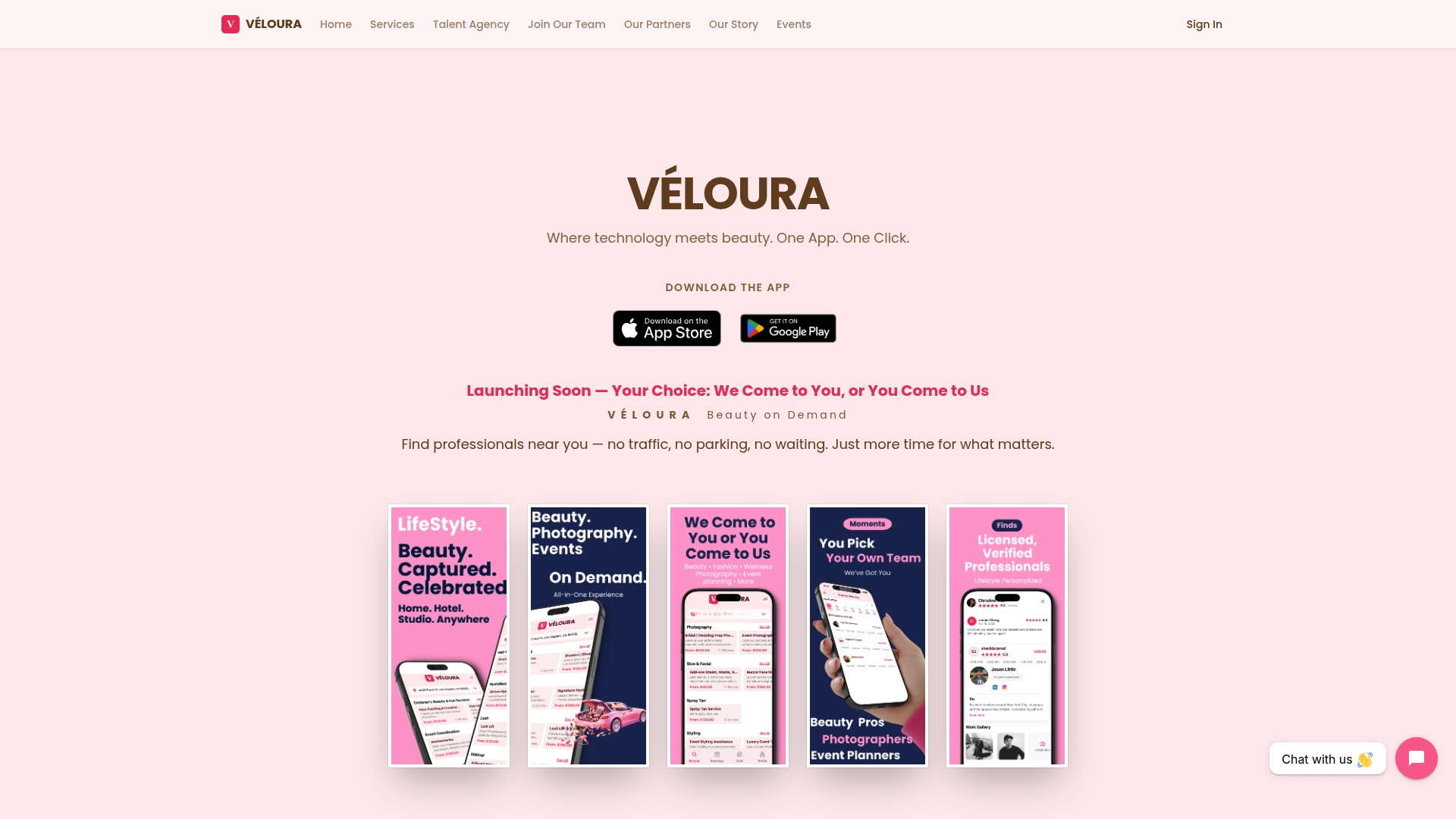
Whether you want a gentle at-home facial, a simple blowout, or a light makeup session for a video call with family, our service categories cover hair, makeup, gentle skincare, and dedicated senior-care visits for anyone managing mobility limits alongside recovery. Always check with your medical team before scheduling anything cosmetic near an incision or active treatment site. When you’re ready, browse available appointments and book a professional who fits your recovery timeline, not the other way around.
This article is general information, not a substitute for advice from a qualified doctor. Consult a qualified healthcare professional about your own circumstances before acting on anything here.
Sources
- How you can create a healing environment at home — Taking Charge of Your Health & Wellbeing (UMN)
- Self-care in recovery: scoping review (PMC/NCBI)
- Breastcancer
- What to wear after surgery — Outfit Forecast
FAQ
How can I look pretty right after waking up during recovery?
Splash your face with cool water, apply a fragrance-free moisturizer, fill in your brows, and add a tinted lip balm. The whole refresh takes under three minutes and doesn’t require energy you don’t have yet.
What kind of makeup is best for cancer patients?
Lightweight, fragrance-free products work best: a tinted moisturizer or BB cream, concealer placed under the eyes, brow filler, and a moisturizing lip tint. Avoid heavy foundations or products with alcohol or fragrance, which can irritate treatment-sensitive skin.
How can I look more attractive at home without much effort?
Focus on a clean face, a filled-in brow, and one adaptive clothing piece you actually feel good in, like a soft wrap top. Small, repeatable rituals do more for how you look and feel than any single big effort.
Where can cancer patients get a free beauty box or workshop?
Look Good Feel Better offers free workshops, both virtual and in person, covering skin, hair, and makeup changes during treatment. Ask your hospital’s social worker or patient navigator about local beauty boxes, volunteer stylist programs, and transportation assistance.
Are in-home beauty services safe during cancer recovery?
In-home visits from licensed, background-checked professionals can be a safe, low-exertion option, but always confirm timing and any precautions with your medical provider first, especially around active incisions, ports, or a compromised immune system.
Recommended

Comments ()