Nourishing Lash Serum: A Safety-First Guide for Beauty Lovers
A nourishing lash serum is a topical cosmetic you apply along the upper lash line to condition your natural lashes and, in some formulas, extend the growth phase of the follicle. The result: lashes that look longer, thicker, or fuller over time. The category is growing fast, with industry estimates projecting the eyelash serum market could reach $1.3 billion by 2031. Only one active ingredient, bimatoprost, carries FDA approval for treating lash hypotrichosis. Everything else on the shelf works through conditioning, not medical-grade growth stimulation.
Here’s your quick verdict: if your lashes are brittle, sparse-looking, or damaged from extensions, a nourishing serum can genuinely help. If you’re chasing dramatic, permanent length, you’re looking at a conversation with an eye-care professional, not a drugstore bottle.
Most nourishing lash serums are built around three goals:
- Condition existing lashes so they feel softer and look shinier
- Reduce breakage caused by rubbing, extensions, or curling
- Extend the growth phase, in formulas that include active growth ingredients
Key Takeaways
Nourishing lash serums condition or extend the growth phase of lashes, and only bimatoprost carries FDA approval for measurable, medically backed growth.
| Point | Details |
|---|---|
| Two formula types exist | Prostaglandin analogs extend growth phase; peptide and botanical serums condition without changing the growth cycle. |
| Only one FDA-approved ingredient | Bimatoprost at 0.03% is the sole FDA-approved molecule for eyelash hypotrichosis. |
| Side effects can occur | Eyelid darkening, dry eye, and periorbitopathy are documented risks, mostly reversible after stopping use. |
| Timeline requires patience | Early signs appear in 2 to 6 weeks, with full results typically by 8 to 12 weeks. |
| Professional services offer immediate results | VÉLOURA Beauty On Demand connects clients with licensed pros for lash lifts and extensions as a supervised alternative to serums. |
Table of Contents
- What Is Nourishing Lash Serum and How Does It Work?
- Types of Lash Serums: Prostaglandin vs. Non-Prostaglandin Formulas
- Side Effects and Safety Warnings You Should Know
- How to Apply Lash Serum and What Timeline to Expect
- How to Choose the Right Lash Serum for Your Eyes
- Alternatives to Serum: Lifts, Extensions, and Prescription Options
- Our Take: Serums Have a Place, But They’re Not the Whole Answer
- Book a Licensed Lash Pro Instead of Guessing With a Bottle
- Sources
- FAQ
What Is Nourishing Lash Serum and How Does It Work?
A nourishing lash serum works one of two ways: it either conditions the lashes you already have, or it acts on the follicle to keep hairs in their growth phase longer. Understanding which one you’re using changes what results you should expect.
Every lash grows in cycles. The anagen (growth) phase determines how long a lash gets before it sheds. Prostaglandin analogs, the ingredient class behind prescription bimatoprost, work by extending that anagen phase, so more lashes stay in active growth at once. That’s a genuine physiological effect, not just a cosmetic trick. Peptide and botanical serums work differently. They lean on hydration and structural support, using ingredients that coat and strengthen the hair shaft so lashes resist breakage and appear fuller even without any change to the growth cycle itself.
That distinction matters when you’re setting expectations. A conditioning serum can make thin, damaged lashes look healthier within weeks. A growth-phase serum takes longer and works on a biological timeline you can’t rush.
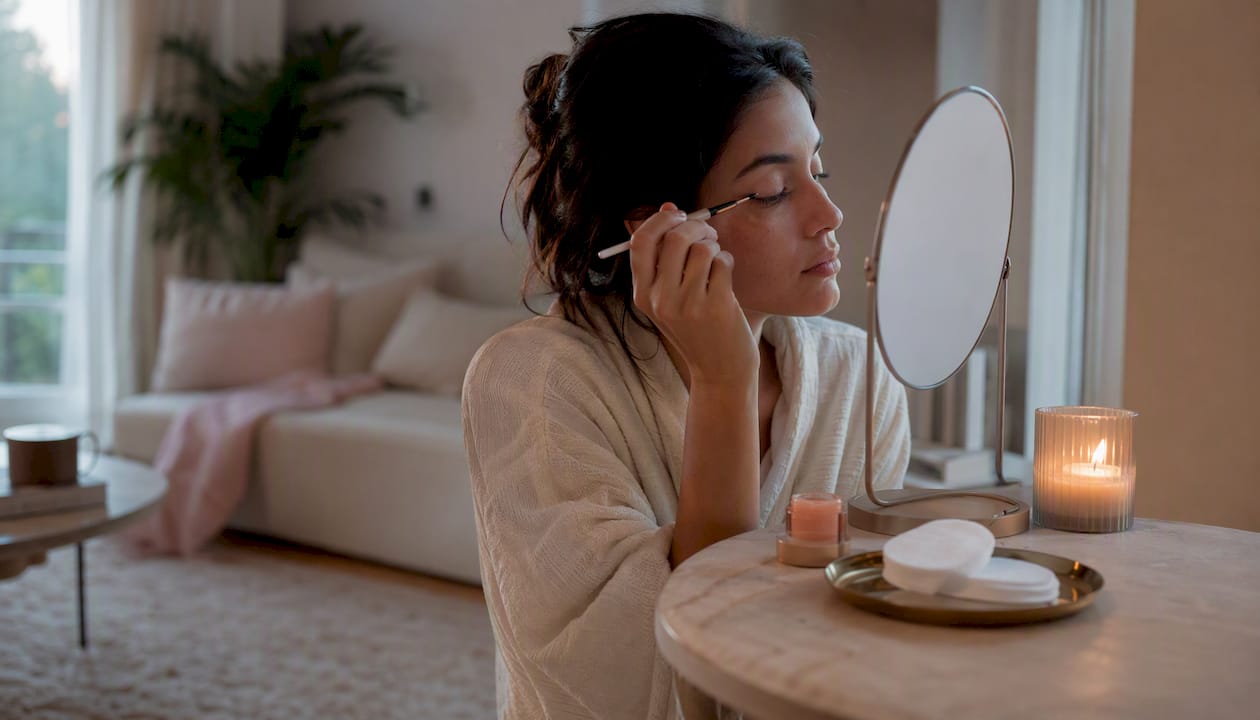
Pro Tip: Pair your serum with gentle habits: skip the eye rubbing, remove mascara with a gentle cleanser instead of scrubbing, and apply serum to clean, dry lashes at night so it isn’t competing with makeup or oil.
Types of Lash Serums: Prostaglandin vs. Non-Prostaglandin Formulas
Nourishing lash serums split into two camps: prostaglandin-based formulas and non-prostaglandin conditioning formulas. Knowing which camp a product falls into tells you almost everything about its strength, its risk profile, and what to expect on your lash line.
Prostaglandin analogs, led by bimatoprost, extend the anagen phase directly. Clinical reviews note that cosmeceutical formulations need 0.03% bimatoprost concentration to be effective, which is also the concentration found in the prescription version. Non-prostaglandin serums lean on a different toolkit entirely:
- Peptides to support the lash’s keratin structure
- Panthenol (provitamin B5) for hydration
- Biotin for shaft strength
- Hyaluronic acid to lock in moisture
- Plant oils like castor or argan for softness and shine
Some over-the-counter products contain prostaglandin analogs or prostaglandin-like compounds without clearly disclosing them, carrying similar risks to prescription formulas while looking like a gentle conditioning serum on the label.
That hidden-PGA issue is worth taking seriously. Ingredient lists don’t always spell things out in plain language, so scan for anything ending in “prost” or “amide” alongside vague marketing claims like “clinically proven growth.” Cost differences track the formula type, too. Prescription bimatoprost tends to run higher due to the office visit and formulation, while OTC conditioning serums are typically priced closer to a mid-range skincare product.
Side Effects and Safety Warnings You Should Know
The most common side effects of prostaglandin-based lash serums are eyelid darkening, eye irritation, and dry eye. Less common but more serious is prostaglandin-associated periorbitopathy, a condition involving changes to the eye socket’s fat and skin. In rare cases, PGAs have been linked to permanent iris darkening.

Research links prostaglandin analogs to increased lash length and thickness alongside these documented risks, and the encouraging part is that most side effects, including eyelid darkening and periorbitopathy, tend to reverse once you stop using the product. Iris color changes are the exception and can be permanent, which is exactly why this ingredient class deserves respect, not casual experimentation.
Certain people carry higher risk: anyone with glaucoma, a history of eye inflammation, contact lens wearers, or people with generally sensitive eyes. If that’s you, a conversation with an eye-care provider before starting any PGA-containing product isn’t optional caution, it’s the smart first move.
Clinicians recommend counseling patients on the lack of pre-market FDA safety review for many over-the-counter serums, urging extra caution with novel prostaglandin analogs until their safety profiles are better established.
Worth remembering: bimatoprost remains the only FDA-approved molecule for eyelash hypotrichosis, meaning every other prostaglandin-adjacent OTC product exists in a regulatory gray zone.
Pro Tip: Patch test any new serum on a small patch of skin near your hairline for 24 to 48 hours before applying it near your eyes. Watch for redness, itching, or swelling in the first one to two weeks of regular use, and stop immediately if your eyes feel irritated or unusually dry.
How to Apply Lash Serum and What Timeline to Expect
Apply your serum along the upper lash line once daily, exactly as the label directs, and never double up thinking more product means faster results. Excess serum running into the eye is how irritation starts.
- Cleanse your face and remove all eye makeup completely
- Take out contact lenses before application
- Patch test on your inner arm or hairline, then wait 24 to 48 hours for a reaction
- Apply a thin line of serum along the base of the upper lashes only, using the product’s built-in applicator
- Let it dry fully before touching your eye area or applying other products
Patience matters more than most people expect. Here’s a realistic timeline:
- 2 to 6 weeks: early conditioning signs, softer texture, less shedding
- 4 to 8 weeks: some OTC users start noticing visible fullness
- 8 to 12 weeks: full results for most users, including prescription formulas
Research on eyelash serums shows some users report visible changes within 25 days to six weeks, with full results typically arriving by the 8 to 12 week mark. Stop using the serum, and lashes gradually return to their natural growth baseline, since the effect depends on continued use.
How to Choose the Right Lash Serum for Your Eyes
Before you buy anything, decide what you actually want: conditioning for existing lashes, or measurable growth. That single decision filters out most of the wrong products immediately.
- Choose a full ingredient disclosure over vague “proprietary blend” labeling
- Skip anything marketed with unclear “prostaglandin-like” or “lash-activating peptide complex” language with no specifics
- Prioritize ingredients with real evidence behind growth claims, not just marketing copy
- Check for preservative and fragrance warnings if you have sensitive skin or eyes
If you have sensitive eyes, a history of irritation, or you’re simply risk-averse, peptide and botanical formulas tend to be gentler while carrying less proven growth power than prostaglandin analogs. For anyone considering prescription-strength options, that’s a conversation for a clinician, not a comment section.
Pro Tip: If you’re timing your serum routine around an event, a professional lash lift can deliver an immediate visual lift while your serum works in the background over weeks.
Alternatives to Serum: Lifts, Extensions, and Prescription Options
Serums aren’t your only path to fuller-looking lashes. OTC conditioners, professional lash lifts, extensions, and prescription bimatoprost each solve a different problem, and picking the right one comes down to your timeline and risk tolerance.
- OTC conditioning serums: low cost, low risk, slow and modest results
- Professional lash lifts: immediate visual curl and lift, lasts six to eight weeks, done by a licensed technician
- Lash extensions: dramatic immediate length and fullness, requires ongoing maintenance appointments
- Prescription bimatoprost: strongest evidence for real growth, requires clinician oversight and carries the most documented side effects
Choose a professional service when you want a visible result today, not in eight weeks, or when you’d simply rather have a trained eye supervising the process. Choose prescription bimatoprost only when you’re prepared for ongoing clinician involvement and understand the tradeoffs.
Our Take: Serums Have a Place, But They’re Not the Whole Answer
We don’t think a nourishing lash serum should be anyone’s first and only lash strategy, and we don’t think it needs to be. Conditioning serums are a smart, low-risk way to support lash health day to day, but they work best alongside professional judgment, not instead of it. That’s part of why VÉLOURA Beauty On Demand connects clients with licensed, vetted beauty professionals rather than leaving lash decisions entirely to a bathroom-cabinet experiment. Patch test everything, read every ingredient label twice, and talk to an eye-care professional the moment something feels off.
Book a Licensed Lash Pro Instead of Guessing With a Bottle
A professional lash lift or extension set gives you a visible result the same day, with a trained, licensed technician supervising every step, something no bottle on your bathroom shelf can offer.
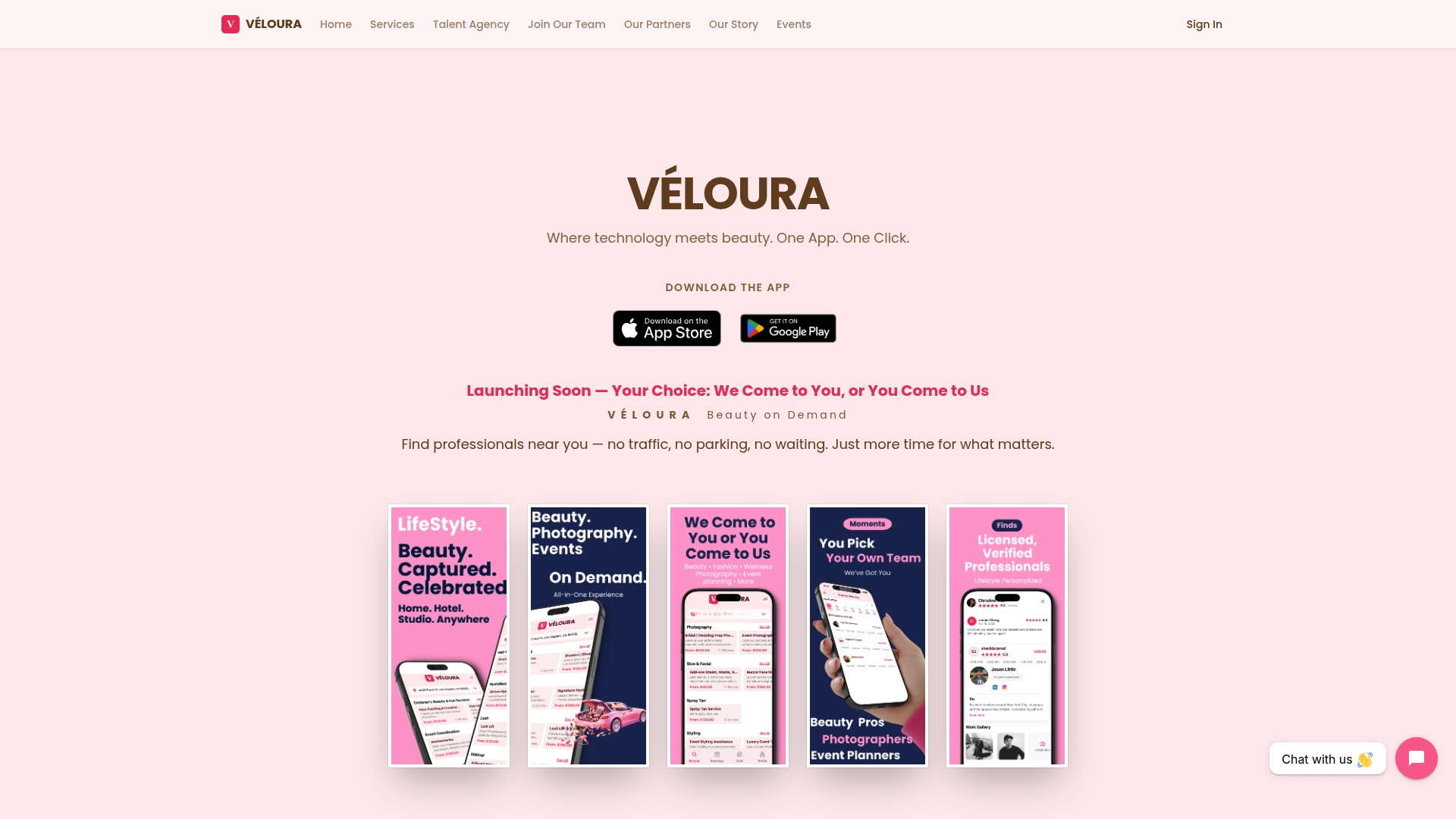
VÉLOURA Beauty On Demand connects you with licensed, background-checked lash professionals who come to your home, hotel, or office, so you skip the guesswork of comparing serum ingredients and get expert eyes on your lash health instead. Browse VÉLOURA’s lash and beauty services to see what a supervised lash lift or extension appointment looks like, or head straight to book a licensed pro in Los Angeles and get a professional opinion before you commit to any at-home routine. For anything touching prescription-strength ingredients or an existing eye condition, talk to an eye-care professional first.
Sources
- PubMed — eyelash serum review (2026)
- PubMed — PGA side effects study (2022/2020)
- Eyelash serums: A comprehensive review (Journal of Cosmetic Dermatology)
- AllAboutVision — Do Lash Serums Work?
This article is general information, not a substitute for advice from a qualified doctor. Consult a qualified healthcare professional about your own circumstances before acting on anything here.
FAQ
What is a nourishing lash serum used for?
A nourishing lash serum conditions existing lashes to reduce breakage and, in prostaglandin-based formulas, extends the growth phase for longer, thicker-looking lashes.
How does lash serum differ from mascara?
Mascara temporarily coats lashes for instant visual thickness and length, while lash serum works over weeks to condition or influence the follicle itself, with effects that last after you stop wearing it that day.
Can lash serum really help thin or damaged lashes?
Yes, conditioning serums with panthenol, peptides, and hyaluronic acid can measurably improve softness and reduce breakage, though dramatic growth typically requires an FDA-approved prostaglandin analog.
Are lash serum side effects permanent?
Most side effects like eyelid darkening and irritation reverse after discontinuing use, but permanent iris color change is a rare, documented exception with prostaglandin analogs.
How long until I see results from a lash serum?
Some users notice early conditioning changes in 25 days to 6 weeks, with full results typically appearing by 8 to 12 weeks of consistent use.
Should I see a professional instead of using serum?
If you want immediate visible results or have sensitive eyes, a licensed lash professional through VÉLOURA Beauty On Demand can deliver a supervised lift or extension the same day, while a serum works gradually in the background.
Recommended

Comments ()